
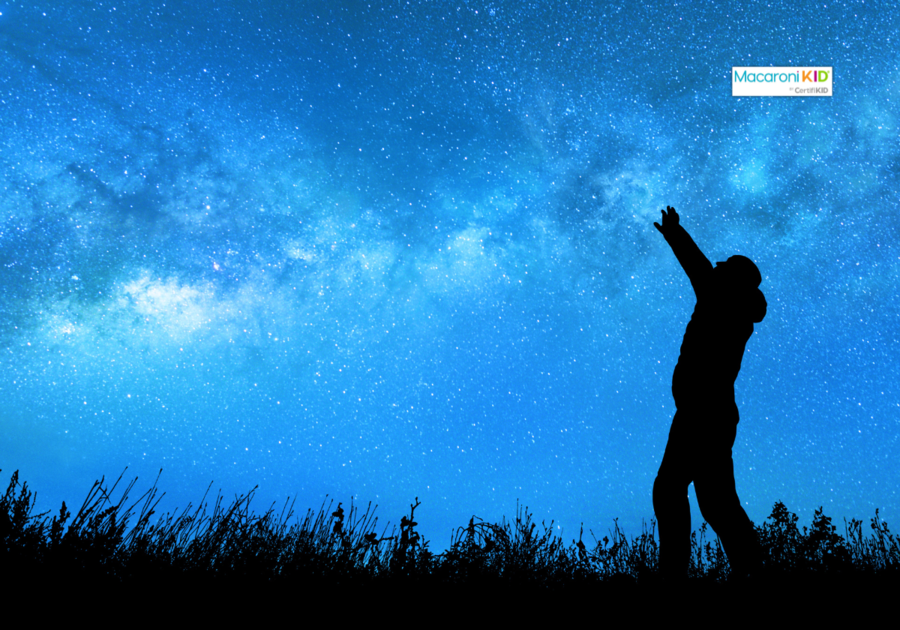
The Perseid meteor shower returns every August, and it's one of those rare events that's just as exciting for adults as it is for kids. The 2026 Perseid meteor shower will be visible from mid-July through late August, with peak viewing expected overnight Wednesday, August 12, into early Thursday, August 13.
This year's timing is especially lucky. Because the peak falls during a new moon, skies will be much darker than usual, making it easier to spot shooting stars. If you can find a dark spot away from city lights, you may see dozens of meteors during the busiest hours of the night.
Best of all, it's free. No tickets, no reservations, no special equipment needed. Just a clear night and a little patience.
Don't miss magical moments like this with your kids!
Subscribe to Macaroni KID Vancouver Island and get weekly family fun ideas delivered straight to your inbox.
Sign up now!
Perseid Viewing Tips for Families
When to watch
The best viewing is expected overnight Wednesday, August 12, into the early morning hours of Thursday, August 13. The Perseids become more active as the night goes on, so the hours between midnight and dawn usually offer the biggest show. If you have younger kids, though, don't feel like you have to stay out all night. It's still possible to catch a few bright meteors before bedtime.
Find a dark sky
Light pollution is the biggest obstacle to seeing meteors. If you can, head to a park, campground, or other safe location away from streetlights. Once you're there, find an open view of the sky, settle into a blanket or reclining chair and look up. Although the meteors appear to radiate from the constellation Perseus, they can streak across any part of the sky.
A few things that make the experience better
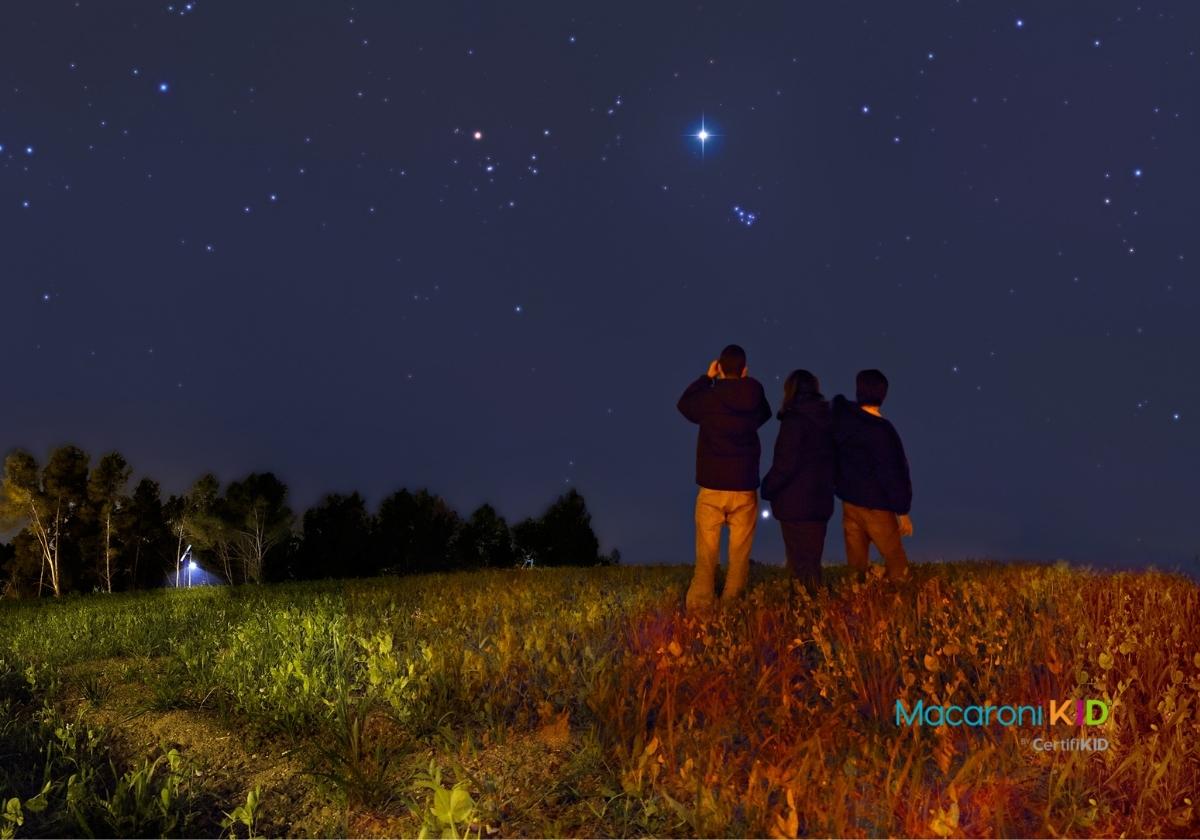
You won't need a telescope or binoculars. The Perseids are actually easier to enjoy with your naked eye because you can take in more of the sky at once. Bring blankets or lawn chairs, jackets for the cooler overnight temperatures and a few snacks. Then give your eyes about 20 to 30 minutes to adjust to the darkness before you start looking.
Learn more from NASA: Perseid meteor shower information
 photocluster | Canva |
Did you know?
John Denver's classic song Rocky Mountain High was inspired by a night spent watching the Perseid meteor shower while camping in Colorado. That's where the lyric, "I've seen it raining fire in the sky," came from.
Fun facts about the Perseid meteor shower
The first shooting star usually leads to lots of questions. What was that? Where do they come from? Are they really stars?
Here are a few facts to help explain what's happening overhead.
- The Perseids come from debris left behind by the giant comet 109P/Swift-Tuttle. Earth passes through that trail of dust and debris every summer.
- The “shooting stars” aren't actually stars. We see a flash of light when tiny pieces of comet debris enter Earth's atmosphere at high speed and heat up.
- Most of the pieces entering our atmosphere are tiny, often about the size of a grain of sand, so they pose no danger to us.
- Under ideal dark-sky conditions, observers may see up to 100 meteors an hour near the peak. You'll likely see fewer around homes, streetlights, and other sources of light.
- It's called the Perseid meteor shower because the meteors appear to come from the area of the constellation Perseus.